Caught looking?
No other American sport has anything that genuinely approximates the scorecard.
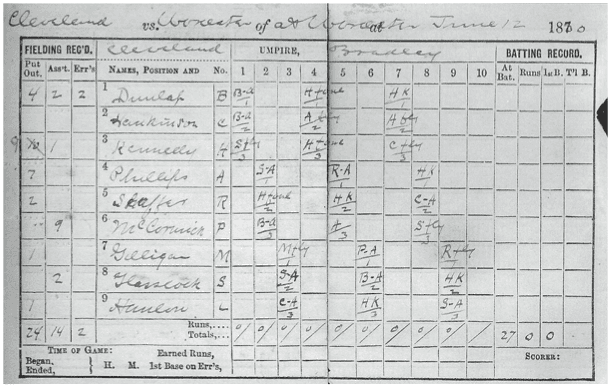
I ’ve always loved baseball. Something about the numbers, the stats, the data. Add to that the history. And the ballparks. And the joy of watching a game unfold in real-time, usually with a cold beer in my hand. I often have a scorecard in front of me too. Filling that out helps me stay connected to the game.
The problem though, is that I often get so engrossed in discussions with whomever is watching with me (about what just happened, what happened 50 years ago, what’s happened at this ballpark before), that I forget to keep my scorecard updated. So I made this. It follows my own style of scoring, based on the scorebook I actually use, and updates in real-time. It’s also got all of the other details and data that I find myself discussing, usually with my dad or my brother, while watching a game.
I hope you can find some use for it as well. How can you not be romantic about baseball?
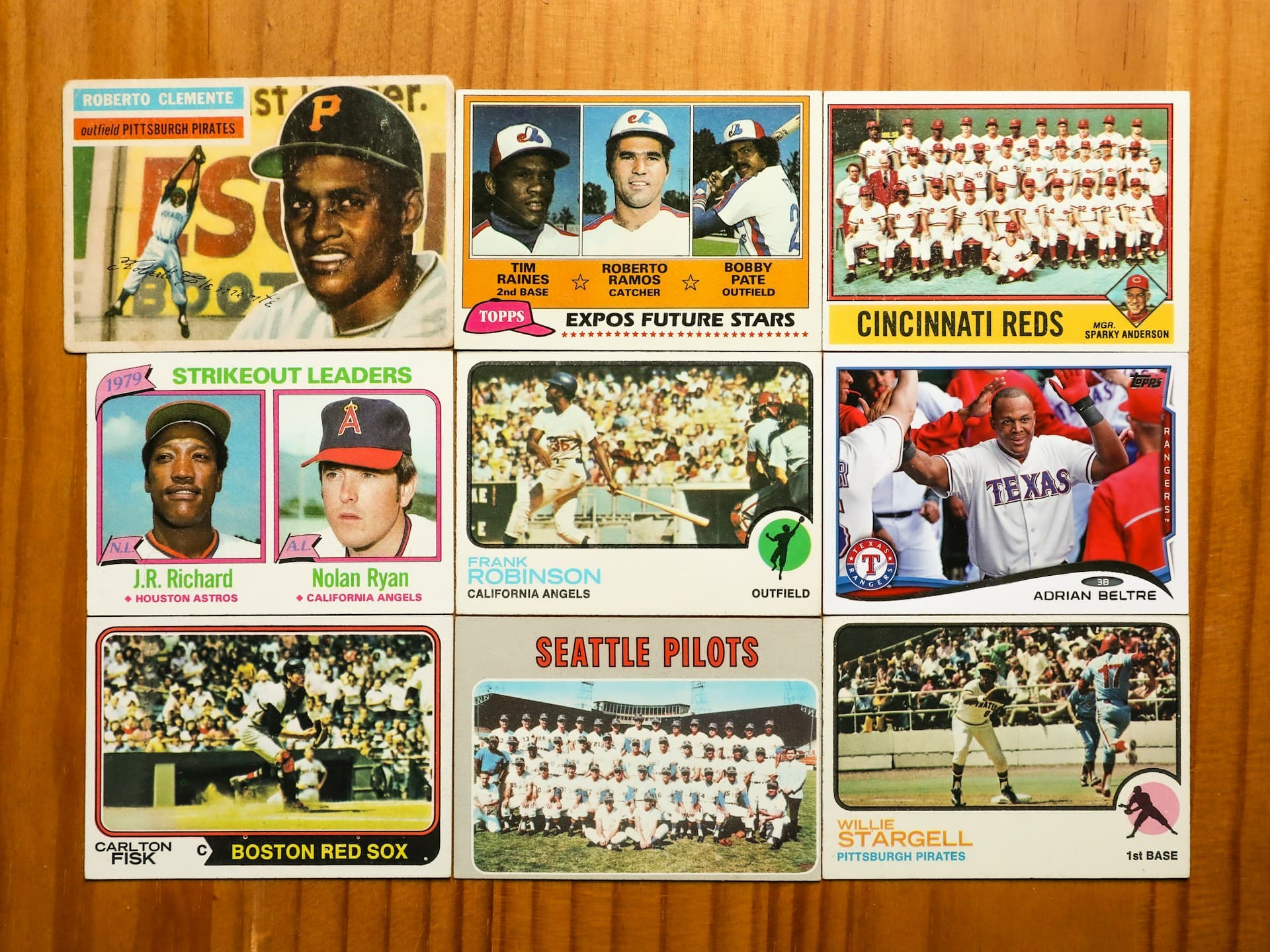
My scorekeeping tools
My first and favourite scorebook, particularly when I’m watching from home (or the pub) or I have a bar counter in front of me.
This and the palm-slappers are my go-to when I’m watching at the ballpark. My dad and I often alternate innings.
My absolute favourite pencil. For scorekeeping, for woodworking, for writing. 0.3mm is my preference.
If I’m feeling confident, I’ll switch to ink, in a very thin weight. And these are the best.
Ballpark Visits
Required reading
By Philip J. Lowry
By Paul Dickson
By Andres Wirkmaa
By Jay Wigley
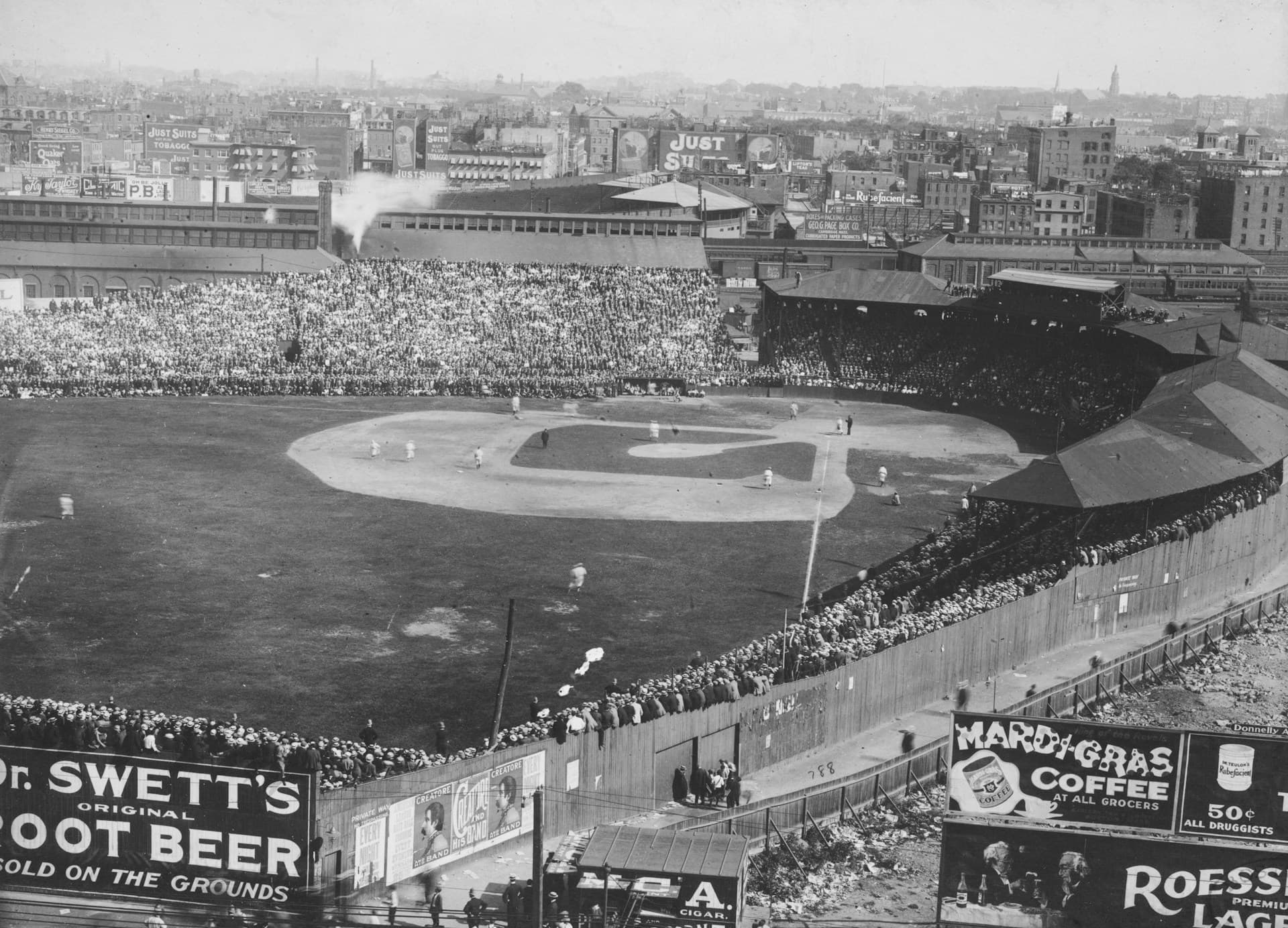
Design inspo and other resources
A brilliant compendium of baseball history and lore.
A beautiful, open source scorecard creator.
My fact-checker.
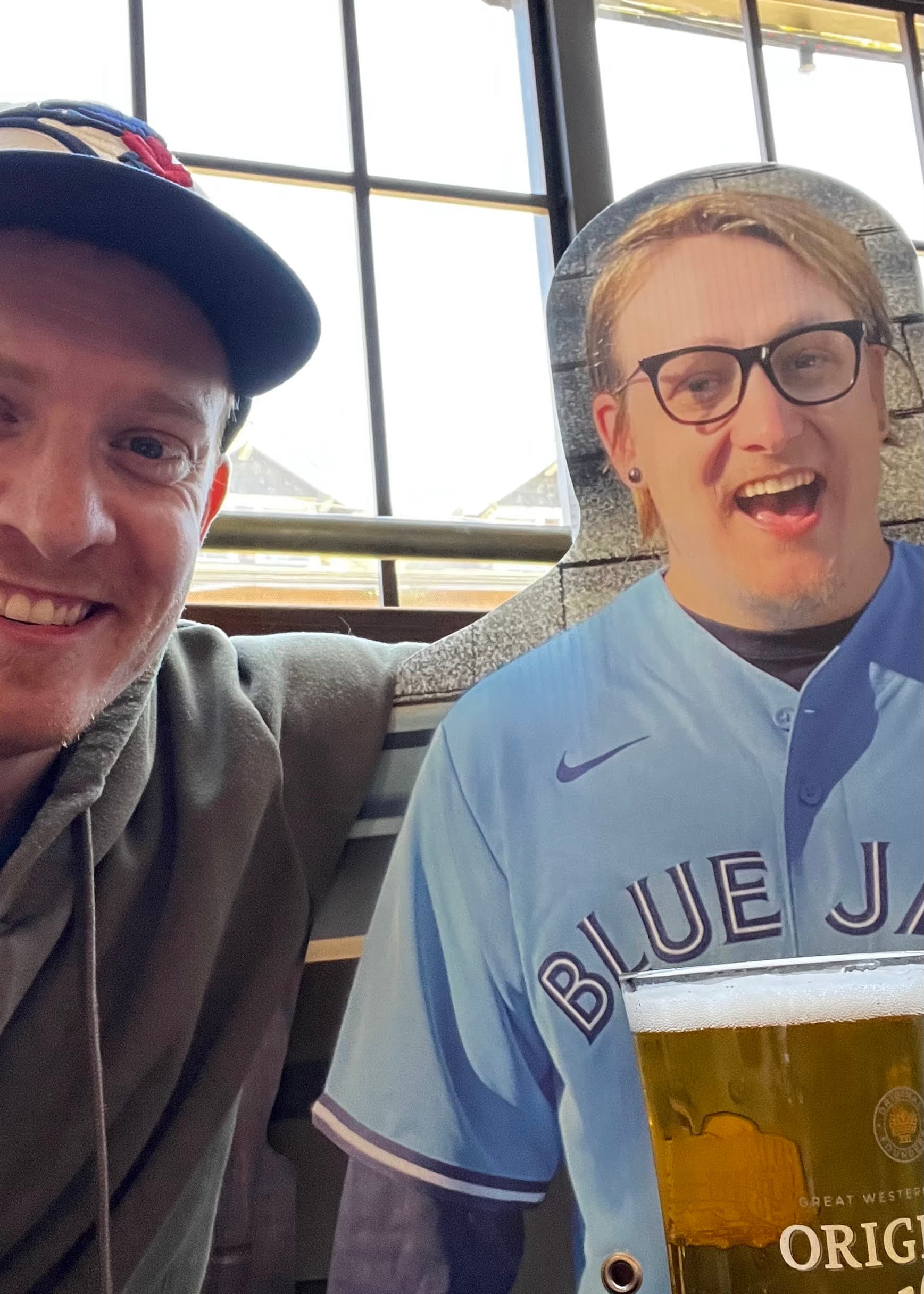
My twin brother Iain and I watched every Blue Jays game together. Not always in the same room or at the same bar or even in the same city, but always together. A text from him simply saying “Vladdy” or “Kirk daddyyy” was all I needed. My stream was usually behind his and that message told me to look up because something cool was about to happen. We had a whole language built around the game and a lot of what’s in this app started as something one of us looked up mid-inning.
When he was in the hospital, I told him all about what had just happened in the World Series. What was going on in free agency. What was (not) happening with Shohei’s plane. I don’t know if he could hear me, but that’s what I’d tell him about when I couldn’t think of anything else to say.
Tom was my father-in-law. The first thing my now wife told him when we met was that I liked baseball. She couldn’t even finish her sentence before he started asking my thoughts on the Blue Jays that year and the questionable decisions their manager was making at the time. He was a Mariners guy, but he had something about the Jays ready to discuss every time we spent time together.
I didn’t build this for them. I’m not actually sure who I built this for to be honest. I just kept adding the things I wanted to know — the stats and context and history that make a game feel like more than nine innings. But I think about them both every time I’m building out a new feature or using the site to follow a game. I think about every “Vladdy” text I’ll never get. Every John Schneider or Charlie Montoyo blunder we’ll never moan about. This app is about my love for baseball and baseball is one of the ways I loved Iain and Tom.

This is a fan project and is not affiliated with MLB. Live and historical game data is sourced from the MLB Stats API. Game data is subject to MLB Advanced Media, L.P.'s terms. See gdx.mlb.com/components/copyright.txt. Manager names for historical games (before today) and other historical data was obtained free of charge from Retrosheet (many thanks!). Ballpark dimensions are sourced from Philip J. Lowry’s Green Cathedrals, Fifth Edition, Clem’s Baseball and my own personal research. Artifacts, photos, and other ballpark-related content are credited individually.
Please contact me at sam@caughtlooking.app or submit an issue on GitHub with any feedback, questions, or suggestions. Go Jays.